Charitable Leningrad Codex — Deuter 5 — longer notes
CLC index
Notes relegated here from the main page’s doc column.
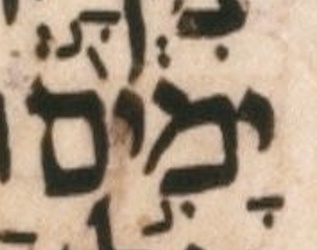
Deuter 5:13 — taḥton strand (pashta)
שֵׁ֤שֶׁת יָמִים תּֽ͏ַעֲבֹ֔ד וְעָשִׂ֖יתָ כָּל־מְלַאכְתֶּֽךָ׃
Inline note (repeated from main page): A pashta is expected here, but the LC has only the elyon’s munaḥ.
It is beyond the limits of CLC’s charity to supply the missing pashta.
Credit: Sefaria.org.
Further discussion: See the UXLC note on this word. The lack of this pashta is noted in BHL Appendix A.
This pashta is not among the accents the grammar checker has to supply to WLC when detangling the two strands: it is already present in WLC — erroneously, presumably carried over from BHS, though this has not yet been verified.
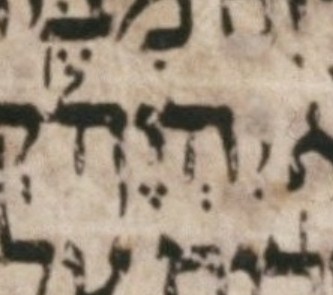
Deuter 5:7 — elyon strand (meteg)
לֹ֣א יִהְיֶה־לְךָ֩ אֱלֹהִ֨ים אֲחֵרִ֜ים עַל־פָּנַ֗י
Inline note (repeated from main page): A meteg might be expected in the elyon strand here, but the LC has only a single mark, which is best transcribed as a merkha since, unlike the meteg, the merkha is truly needed.
Credit: Sefaria.org.
Further discussion: Regarding the meteg that might be expected on יִהְיֶה־, see section 355 of Yeivin’s Introduction to the Tiberian Masorah.
Aside: the mark transcribed as merkha is this note’s main subject, but it should be noted that the word’s initial yod is a charitable transcription, since most of the top of the yod seems to have flaked off. This yod is transcribed as present based on expectation combined with the tail that did not flake off, plus the faint remnants that seem to have remained even after flaking.
Deuter 5:6 — elyon strand (tipeḥa)
אָֽנֹכִי יְהוָ֣ה אֱלֹהֶיךָ אֲשֶׁ֧ר הוֹצֵאתִ֛יךָ מֵאֶ֥רֶץ מִצְרַ֖יִם מִבֵּ֥ית עֲבָדִֽים׃
Inline note (repeated from main page): A tipeḥa is expected here, but the LC has only the taḥton’s pashta.
It is beyond the limits of CLC’s charity to supply the missing tipeḥa.
Further discussion: This omitted accent is independently corroborated by wlc-utils’s grammar checker — see its supplied accents page.
Deuter 5:6 — elyon strand (etnaḥta)
אָֽנֹכִי יְהוָ֣ה אֱלֹהֶיךָ אֲשֶׁ֧ר הוֹצֵאתִ֛יךָ מֵאֶ֥רֶץ מִצְרַ֖יִם מִבֵּ֥ית עֲבָדִֽים׃
Inline note (repeated from main page): An etnaḥta is expected here, but the LC has only the taḥton’s zaqef-qatan.
It is beyond the limits of CLC’s charity to supply the missing etnaḥta.
Further discussion: This omitted accent is independently corroborated by wlc-utils’s grammar checker — see its supplied accents page.
Deuter 5:17 — elyon strand (silluq)
לֹ֖א תִּרְצָח׃
Inline note (repeated from main page): A silluq is expected here, but the LC has only the taḥton’s tipeḥa.
It is beyond the limits of CLC’s charity to supply the missing silluq.
Further discussion: This omitted accent is independently corroborated by wlc-utils’s grammar checker — see its supplied accents page.
Deuter 5:8 — elyon strand (pataḥ)
לֹ֣א תַעֲשֶֽׂה־לְךָ֣ פֶ֣סֶל ׀ כָּל־תְּמוּנָ֡ה אֲשֶׁ֣ר בַּשָּׁמַ֣יִם ׀ מִמַּ֡עַל וַאֲשֶׁר֩ בָּאָ֨רֶץ מִתּ֜חַת וַאֲשֶׁ֥ר בַּמַּ֣יִם ׀ מִתַּ֣חַת לָאָ֗רֶץ
Inline note (repeated from main page): A pataḥ is expected here, but the LC has only the taḥton’s qamats.
It is beyond the limits of CLC’s charity to supply the missing pataḥ.
Further discussion: An alternative detangling would have lent the taḥton strand’s qamats to the elyon strand as well, rather than leaving the elyon strand’s tav bare. That would not resolve the difficulty, only reframe it: the elyon would then show a qamats where its chant calls for a pataḥ — as the parallel word in Exodus 20:4, where the two strands split the vowel outright, confirms. Whether the problem is put as “no vowel where a pataḥ is expected” or “a qamats where a pataḥ is expected,” the substance is the same: the Leningrad Codex never wrote the elyon’s pataḥ, so no detangling of the marks it does carry can give the elyon strand the vowel its chant wants.