Supplied and suppressed marks
Introduction
WLC, like the LC itself, has three dually-cantillated prose passages: the two Decalogues (Exodus 20, Deuteronomy 5) and the Reuben/Bilhah verse (Genesis 35:22). Before attempting to grammar-check one of these passages we detangle it into its two single-cantillation strands, guided by MAM’s strands. After detangling a passage, we feed each strand’s chanted verses to the ordinary prose accent grammar checker. The accents checked are WLC’s own, except for the cases described below.
Sometimes WLC leaves a word without an accent in one strand. In these cases, the detangler supplies that one accent from MAM, making that strand’s chanted verse grammatical. These charitably-supplied accents are recorded below. This is a third kind of charity, distinct from the two reinterpretations on the almost-errors page: those reinterpret the type of geresh present in WLC, whereas a supplied mark adds a mark not present in WLC.
A verse with a supplied mark parses cleanly, so it is listed here since it will not be listed among the ungrammatical verses. One verse, Deuteronomy 5:8, gets a supplied accent that fixes the taḥton strand, but the elyon strand’s accent is ungrammatical. Therefore, the beleaguered word of that verse is listed both here and among the ungrammatical verses.
Supplied accents
Exodus 20:3: the detangler supplies the taḥton’s merkha
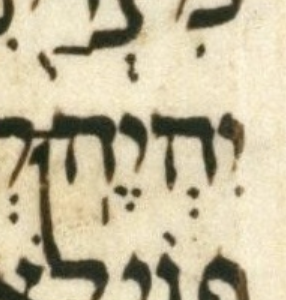
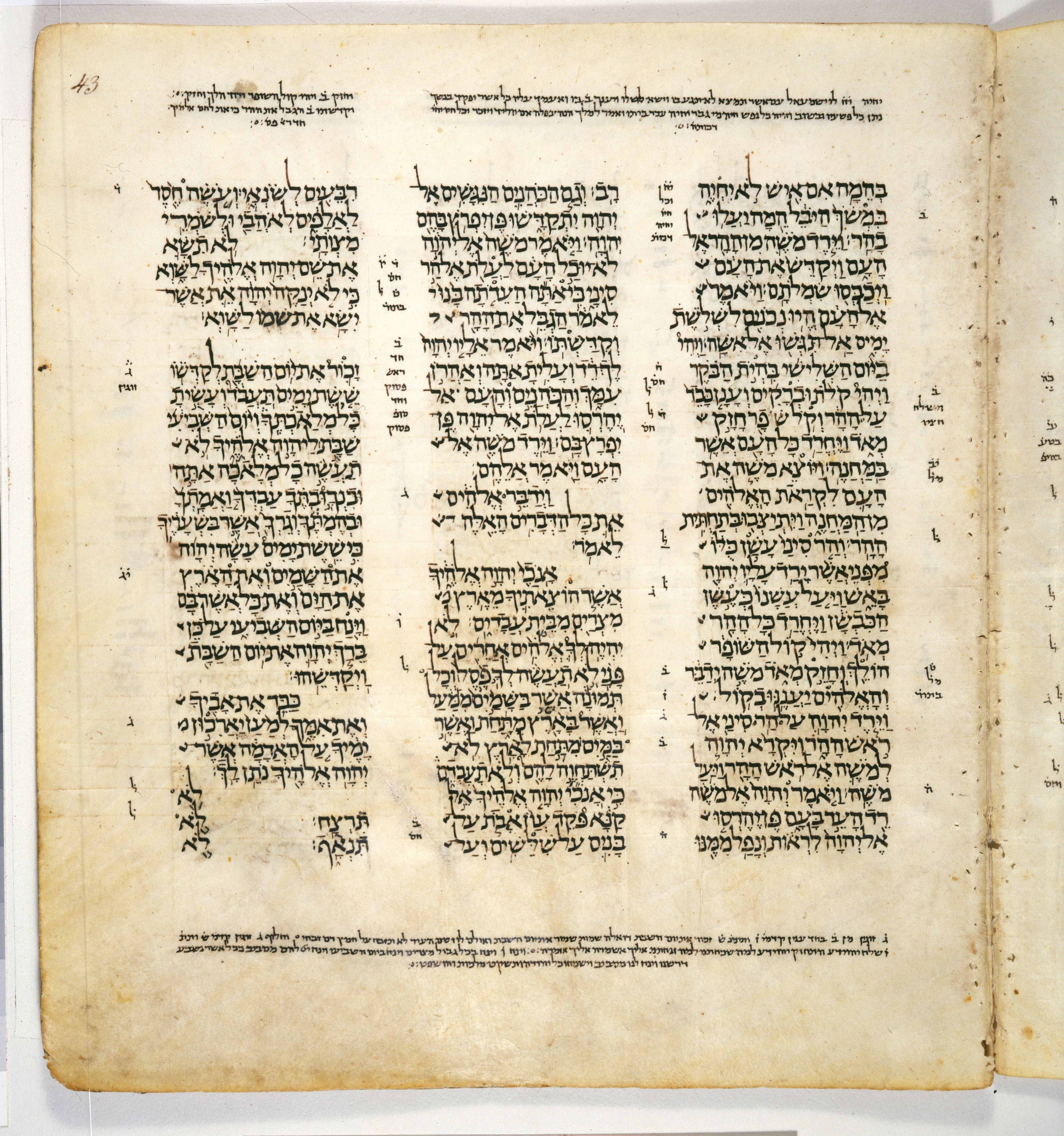
WLC has a reasonable transcription of the LC here, having only the elyon strand: יהיֽה־ (meteg + maqaf, with no accent of its own), so the detangler supplies the taḥton’s merkha from MAM: יהי֥ה.
(Aside: though WLC’s transcription of the LC’s vertical under-bar as the elyon’s meteg is reasonable, it would also be reasonable to transcribe it as the taḥton’s merkha. Indeed, perhaps the naqdan (pointing-scribe) of the LC intended a single under-bar to serve both purposes! Then again, we do have examples of the naqdan explicitly writing two under-bar marks: see Dual Under-Bars in the Leningrad Decalogues.)
Deuter 5:6: the detangler supplies the elyon’s tipeḥa
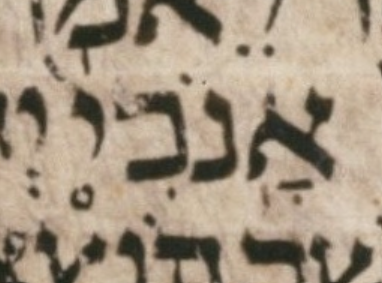
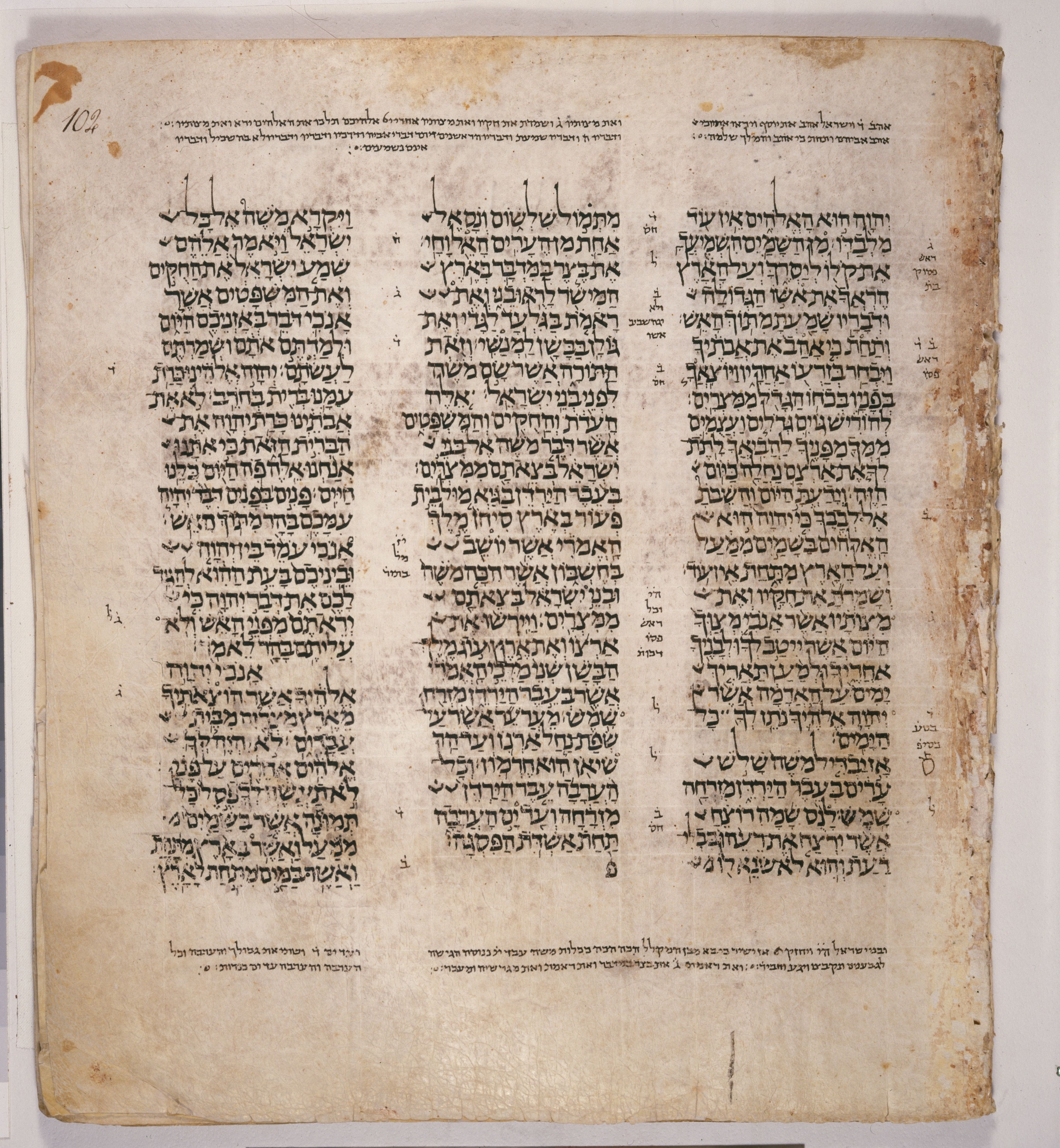
WLC has a reasonable transcription of the LC here, having only the taḥton strand: אנכי֙ (pashta), so the detangler supplies the elyon’s tipeḥa from MAM: אנכ֖י.
Deuter 5:6: the detangler supplies the elyon’s atnaḥ
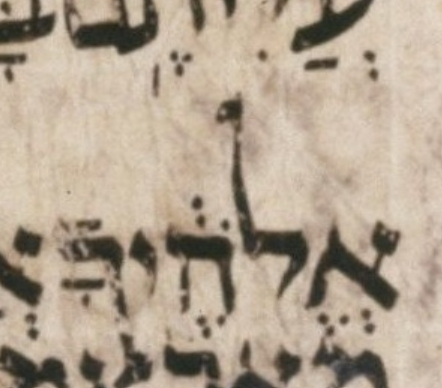
WLC has a reasonable transcription of the LC here, having only the taḥton strand: אלה֔יך (zaqef qatan), so the detangler supplies the elyon’s atnaḥ from MAM: אלה֑יך.
Deuter 5:8: the detangler supplies the taḥton’s qadma
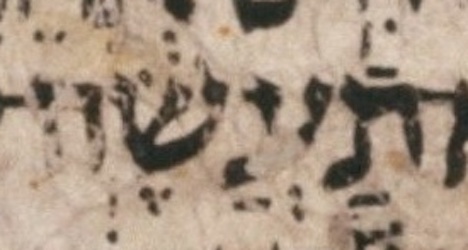
WLC has only a mis-transcription of the LC’s elyon strand here: תעש֥ה־ (merkha + maqaf), so the detangler supplies the taḥton’s qadma from MAM: תעש֨ה. Unlike other supplied accents, there is support from the LC for this qadma, although the LC is in poor shape here, so the support is not unequivocal.
This word is further discussed here, among the ungrammatical verses.
Deuter 5:17: the detangler supplies the taḥton’s tipeḥa
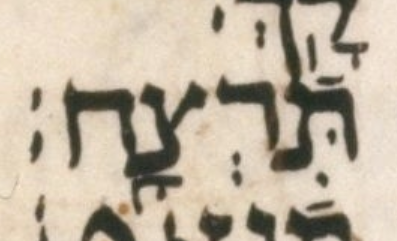
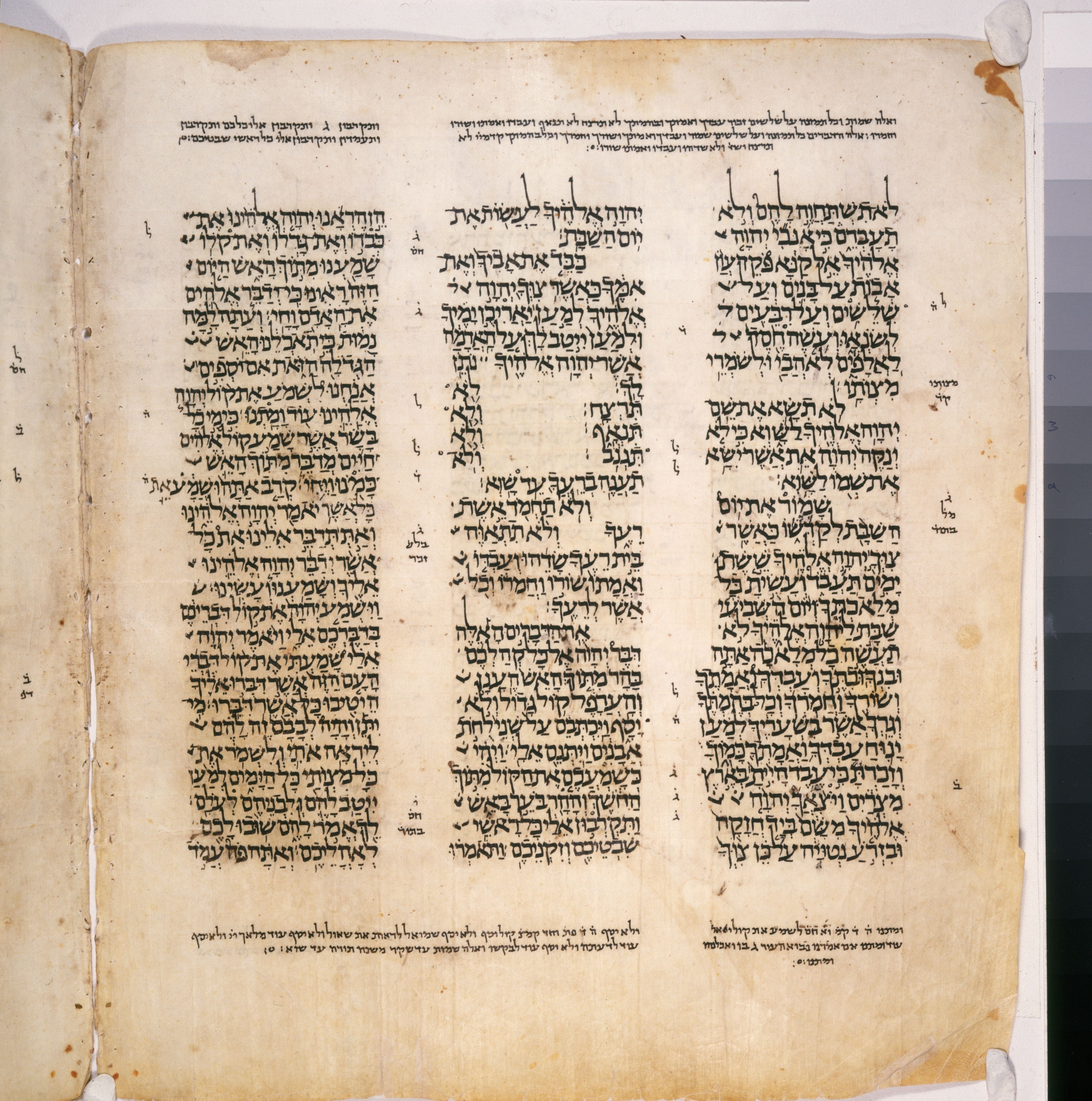
WLC has a reasonable transcription of the LC here, having only the elyon strand: תרצֽח׃ (silluq + sof pasuq), so the detangler supplies the taḥton’s tipeḥa from MAM: תרצ֖ח.
(Aside: though WLC’s transcription of the LC’s vertical under-bar as the elyon’s silluq is reasonable, it would also be reasonable to transcribe it as the taḥton’s tipeḥa. Indeed, perhaps the naqdan (pointing-scribe) of the LC intended a single under-bar to serve both purposes! Then again, we do have examples of the naqdan explicitly writing two under-bar marks: see Dual Under-Bars in the Leningrad Decalogues.)
Supplied and suppressed punctuation
In addition to suppressing (and sometimes supplying) accents, the detangler also suppresses and supplies three accent-coupled punctuation marks: maqaf, sof pasuq, and legarmeh. This punctuation work flows directly from the accent detangling. Indeed, these marks are so tightly coupled to their accents — or, in the case of maqaf, to the lack of an accent — that detangling accents and detangling punctuation can be regarded as one and the same activity.
The table below — sortable by clicking its header cells — lists every punctuation change the detangler makes, both suppressed and supplied.
Sorting by “Strand” reveals that the Decalogues are largely punctuated according to the elyon: to correctly punctuate the elyon all that is needed is to suppress 8 punctuation marks that are taḥton-only. Correctly punctuating the taḥton, by contrast, takes much more work: 9 marks must be supplied and 24 elyon-only marks suppressed.
| Verse | Strand | Mark | Change | Word |
|---|---|---|---|---|
| G35:22 | pashut | sof pasuq | supplied | ישראֽל[׃] |
| E20:2 | taḥton | sof pasuq | suppressed | עבד֑ים׃ |
| E20:3 | taḥton | maqaf | supplied | לֽא[־] |
| E20:3 | taḥton | maqaf | suppressed | יהי֥ה־ |
| E20:3 | taḥton | sof pasuq | supplied | פנֽי[׃] |
| E20:4 | taḥton | legarmeh | suppressed | פ֙סל֙׀ |
| E20:4 | taḥton | legarmeh | suppressed | בשמ֙ים֙׀ |
| E20:4 | taḥton | legarmeh | suppressed | במ֖ים׀ |
| E20:4 | taḥton | maqaf | supplied | לֽא[־] |
| E20:4 | taḥton | maqaf | suppressed | תעש֨ה־ |
| E20:4 | taḥton | sof pasuq | supplied | לאֽרץ[׃] |
| E20:8 | taḥton | sof pasuq | supplied | לקדשֽו[׃] |
| E20:9 | taḥton | sof pasuq | supplied | מלאכתֽך[׃] |
| E20:10 | taḥton | legarmeh | suppressed | שב֖ת׀ |
| E20:10 | taḥton | maqaf | suppressed | ובנך֣־ |
| E20:10 | taḥton | sof pasuq | supplied | בשערֽיך[׃] |
| E20:13 | taḥton | sof pasuq | suppressed | תרצ֖ח׃ |
| E20:14 | taḥton | sof pasuq | suppressed | תנא֑ף׃ |
| E20:15 | taḥton | sof pasuq | suppressed | תגנ֔ב׃ |
| E20:5 | elyon | sof pasuq | suppressed | לשנא֑י׃ |
| E20:10 | elyon | maqaf | suppressed | ל֣א־ |
| D5:6 | taḥton | sof pasuq | suppressed | עבד֑ים׃ |
| D5:7 | taḥton | maqaf | supplied | לא[־] |
| D5:7 | taḥton | maqaf | suppressed | יהי֥ה־ |
| D5:8 | taḥton | legarmeh | suppressed | פ֙סל֙׀ |
| D5:8 | taḥton | legarmeh | suppressed | בשמ֙ים֙׀ |
| D5:8 | taḥton | legarmeh | suppressed | במ֖ים׀ |
| D5:8 | taḥton | maqaf | suppressed | תעש֨ה־ |
| D5:12 | taḥton | legarmeh | suppressed | צוך֖׀ |
| D5:12 | taḥton | sof pasuq | supplied | אלהֽיך[׃] |
| D5:14 | taḥton | legarmeh | suppressed | שב֖ת׀ |
| D5:15 | taḥton | legarmeh | suppressed | הי֙ית֙׀ |
| D5:15 | taḥton | maqaf | suppressed | כ֣י־ |
| D5:17 | taḥton | sof pasuq | suppressed | תרצ֖ח׃ |
| D5:18 | taḥton | sof pasuq | suppressed | תנא֑ף׃ |
| D5:19 | taḥton | sof pasuq | suppressed | תגנ֔ב׃ |
| D5:7 | elyon | sof pasuq | suppressed | פנ֗י׃ |
| D5:8 | elyon | maqaf | suppressed | ל֣א־ |
| D5:8 | elyon | sof pasuq | suppressed | לא֗רץ׃ |
| D5:9 | elyon | sof pasuq | suppressed | לשנא֑י׃ |
| D5:13 | elyon | sof pasuq | suppressed | מלאכתך֒׃ |
| D5:14 | elyon | sof pasuq | suppressed | כמ֑וך׃ |